
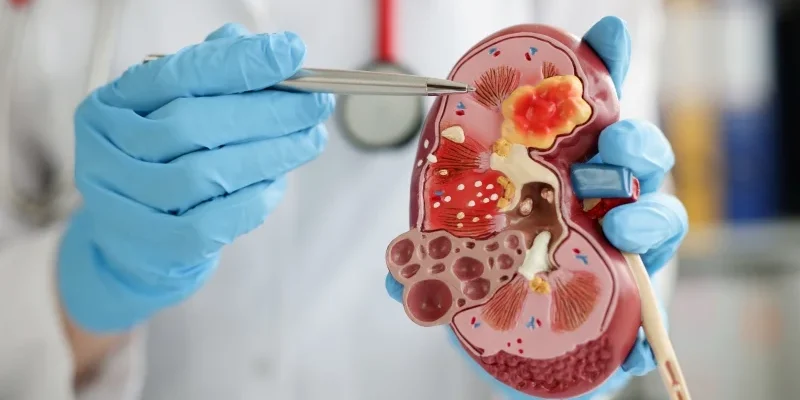
Transplant Disease
Transplant disease includes problems that can happen after someone gets a new organ or tissue, such as a kidney, liver or heart. One common issue is rejection, where the body’s immune system sees the new organ as something harmful and tries to attack it. To stop this, doctors give special medicines called immunosuppressants to weaken the immune system. But these medicines can also make it harder for the body to fight infections, leading to other health problems. Other possible issues after a transplant include the new organ not working right away, side effects from medications or the return of the original illness. That’s why regular check-ups, personalized care and long-term follow-up are very important. With proper treatment and close monitoring, many people with transplants can live healthier and longer lives.
Symptoms of Transplant Disease:
- Fever or chills
- Pain or swelling around the transplant site
- Fatigue or weakness
- Changes in organ function
Treatments
Contact Info
- Plot No. H-2, HSIIDC, Technology Park, Near Nada Sahib Gurudwara, Sec - 22, Panchkula, Haryana - 134109
- gauravpalikhe@hotmail.com
- 9914200256 / 7009760421